Hypocholesterolemic Activity of Rice Bran Oil in Rats Fed on High Cholesterol Diet
Reda A. Mokhtar*, El-Banna N. H. and Mohammed H. Haggag
Department of Nutrition and Food Science, Helwan University, Cairo, Egypt
Published Date: 2025-04-21DOI10.36648/2472-1921.11.2.156
Reda A. Mokhtar*, El-Banna N. H. and Mohammed H. Haggag
Department of Nutrition and Food Science, Helwan University, Cairo, Egypt
- *Corresponding Author:
- Reda A. Mokhtar
- Department of Nutrition and Food Science, Helwan University, Cairo, Egypt
- E-mail: Redamokhtar@yahoo.com
Received date: July 30, 2024, Manuscript No. IPJCND-24-19455; Editor assigned date: August 01, 2024, PreQC No. IPJCND-24-19455 (PQ); Reviewed date: August 15, 2024, QC No. IPJCND-24-19455; Revised date: April 08, 2025, Manuscript No. IPJCND-24-19455 (R); Published date: April 21, 2025, DOI: 10.36648/2472-1921.11.2.156
Citation: Mokhtar RA, El-Banna NH, Haggag MH (2025) Hypocholesterolemic Activity of Rice Bran Oil in Rats Fed on High Cholesterol Diet. J Clin Nutr Diet Vol.11 No.2
Abstract
Objective: The aim of this research was to assess the hypocholesterolemic effect of Rice Bran Oil (RBO) in rats fed on high cholesterol diet.
Materials and methods: 35 male rats were divided into 5 groups, group 1 (-ve) control group was given the basal diet, group 2 was given the basal diet with RBO instead of soybean oil as a negative control for RBO. High Cholesterol Diet (HCD) (1% cholesterol powder and 0.5% bile salt) was given to groups 3, 4 and 5 for 8 weeks which divided as following: Group 3 was +ve control, group 4 was given 2% RBO instead of 2% soybean oil and group 5 was 4% RBO instead of soybean oil.
Results: The RBO led to a significant decrease (PË?0.05) in plasma Total Cholesterol (TC), Triglyceride (TG), LDL-C, VLDL and caused significant increase in plasma HDL-C. Also, RBO caused significant activity on decreasing of the Atherogenic Coefficient (AC), Cardiac Risk Ratio (CRR), LDL-c to HDL-c ratio and Atherogenic Index of Plasma (AIP). While, HCD diet led to a significant increase in the serum, liver enzymes AST, ALT and ALP levels. But, RBO caused significant improvement in the liver enzymes. Moreover, RBO led to a significant decrease in serum MDA and elevated serum GST. Otherwise, histopathological examination showed fatty changes caused by HCD, but the RBO led to a significant amelioration in the liver and showed improvement in the heart and aorta of rats compared with the +ve control group.
Conclusion: In conclusion, rice bran oil lowers TC, TG, LDL-C and improve the HDL-C, also RBO reduces the oxidative stress caused by HCD. Hence, the use of RBO as a natural hypocholesterolemic agent is effective in reducing the risk of cardiovascular disease.
Keywords
Hypercholesterolemia; Rice bran oil; Oryzanol; Lipid profile; HDL-C
Introduction
Hypercholesterolemia is one of the main causes of atherosclerosis, which is the most common cause for heart disease and leading to death in the world. Coronary Artery Disease (CAD) occurs when cholesterol raising in the blood and accumulates forming plaques in the arteries, leading to narrowing and hardening which finally can lead to myocardial infarction. Cardiovascular disease caused over 18,000,000 deaths in the world in 2005 and 44% of these cases of death occurred in age under 60 years [1].
Data from the National Health and Nutrition Examination Survey, 2005-2008 showed 33.5% of US adults (≥ 20 y) have high LDL-C, but only 48.1% of them are treated. Also, it has been reported that 49.1% of the US population with TC ≥ 240 mg/dL are unaware of their condition. Hence, the management of plasma cholesterol levels can decrease the risk of CVD developing. For this reason, the normal blood TC suggested to be <200 mg/dL. Clinical trials have shown that lowering lipids reduces the morbidity and mortality of cardiovascular disease [2]. However, the lifestyle modifications include dietary changes, increased physical activity and weight management. The diet composition plays a vital role in the management of blood lipid concentrations. So, the quest for natural products with potential hypolipidemic effect with low side effect is warranted.
Rice Bran Oil (RBO), extracted from rice bran, which is a byproduct of rice processing industry. RBO content of approximately 15% to 25% of oil. The rice bran content of oil depends on the procedures and obtained conditions during rice milling [3]. Rice bran oil one of the highest quality vegetable oils in the world. RBO is not a popular oil worldwide, but it is widely used as a premium edible oil in most of the Asian countries. Moreover, it's popular as a cooking oil of the Japanese and is popularly known as “Heart Oil” in Japan. In addition, RBO contains up to 20%-24% saturated fatty acids and about 75%-80% of unsaturated fatty acids. The RBO showed higher values of unsaponifiable 2.5%-3.2%, tocopherols content 48 mg%-70 mg% and free fatty acids 0.14%-0.55%. Also, its good source of bioactive phytochemicals especially tocopherols, tocotrienols and γ- oryzanol which is a mixture of sterol ferulates.
Oryzanol is most important antioxidant in RBO because it found up to 10 times stronger higher than vitamin E. However, oryzanol considered to be the most vital antioxidant in RBO that act as inhibitor of cholesterol oxidation. Moreover, γ-oryzanol has a great effect on serum lipid profile which lowering serum TC, LDL-c and VLDL and enhancing the level of HDL-c. Also, oryzanol act to lower aortic cholesterol accumulation. so, oryzanol has a strong anti-atherogenic effect. The health benefits of RBO were demonstrated in many studies including its abilities in improving plasma lipid profile and reduce the atherogenic index, also it is decrease early atherosclerosis and suppress the hyperinsulinemic response and antidiabetic properties in rats. RBO also has anti-inflammatory activities due to its content of oryzanol [4].
Materials and Methods
Materials
Animals: Thirty-five male albino rats weighing approximately 100 g-120 g were obtained from the animal house colony of Vacsera, Helwan, Egypt and were housed in well aerated cages under hygienic condition.
Chemicals: Casein, all vitamins, minerals, cellulose and cholesterol powder were purchased from El-Gomhoria Pharmaceutical Company, Cairo, Egypt.
Rice bran oil: Rice bran oil was purchased from a local market, Egypt and produced by Surin Bran Oil Co. Ltd. USA. Kits: Kits required for biochemical analysis were purchased from Gamma Trade for Pharmaceutical Company.
Methods
Determination of phenolic compounds: The phenolic compounds were analyzed using HPLC equipped with a UV detector and an C18 column (250 mm × 4.6 mm) with particle size of 100 A. The eluting system consisted of 2.0% (v/v) acetic acid as solvent A and acetonitrile as solvent B (A:B=90:10) in isocratic condition. The solutions of the standards and the extract phenolics were filtered through a 0.45 μm syringe filter. The operating conditions were: Column temperature, 25°C; injection volume, 10 μL; detection wavelength, 280 nm and 1.2 mL/min of flow rate. The identification and peak assignment of the phenolics were based on comparison of retention times and spectral data with those of the standards. The identified phenolics were quantified according to respective standard calibration curves [5].
Determination of fatty acid composition: Fatty Acids Methyl- Esters (FAME) were prepared using methanolic KOH, according to the standard method (ISO 5509, 2000) from the oil obtained after extraction. The fatty acid profile was determined by gas chromatographic separation of their methyl esters (ISO 5508, 1990) on a capillary column. The temperature of the injector and detector was set at 250°C. The initial oven temperature was 170°C. This temperature was maintained for 8 min and then increased at a rate of 2°C min-1 to 190°C, which was held for 7 min. Helium was used as the carrier gas at a flow rate of 0.87 mL min-1 and injection volume was 0.3 μL. The fatty acid composition is expressed as weight percentage of total.
Preparation of basal diet: The used basal diet consisted of the following components of AIN-93M diet according to Reeves, et al. [6].
Induction of hypercholesterolemia: Hypercholesterolemia was induced by adding 1% cholesterol powder with 0.5% bile salt to the diet for 8 weeks [7].
Biological study: Animals (n=35) were fed on basal diet for one week for adaptation. After this week animals were divided into 5 groups and 7 rats in each group. Group 1 was fed on basal diet as a negative (-ve) control, group 2 was fed on basal diet with 4% RBO instead of soy oil as -ve control of (RBO), group 3 was fed on High Cholesterol Diet (HCD) as a positive (+ve) control, group 4 (2% RBO) was fed on High Cholesterol Diet (HCD) with 2% RBO and group 5 (4% RBO) was fed on High Cholesterol Diet (HCD) with 4% RBO. During the experimental period, water and diet were introduced Ad-Libitum. At the end of experiment (8 weeks), rats were fasted over night before scarifying. Blood were collected then centrifuged to obtain serum for biochemical analysis. Heart, liver and aorta were removed from each rat to histopathological examination.
Biochemical analysis: Determination of serum cholesterol, serum triglyceride according to the method of Fossati and Prencipe [8]. Serum HDL-C was determined by the method, LDLcholesterol was calculated by Friedewald, et al. formula as following: LDL-C=Total cholesterol-HDL-C-(TG/5) [9]. Serum VLDL-cholesterol was calculated according to Friedewald, et al. equation: VLDL-C concentration (mg/dl)=(Triglyceride/5). Determination of Aspartate Aminotransferase (AST), determination of Alanine Aminotransferase (ALT), Alkaline Phosphatase (ALP) GSCC method [10].
The atherogenic indices were calculated as follows:
• Cardiac Risk Ratio (CRR)=TC/HDL-C
• LDL-C to HDL-C ratio=LDL/HDL
• Atherogenic Coefficient (AC)=(TC–HDLC)/HDL-C
• Atherogenic Index of Plasma (AIP)=log (TG/HDL-C)
Histopathological examination: Autopsy samples were taken from the liver, heart and aorta of rats in different groups and fixed in 10% formal saline for twenty-four hours. Washing was done in tap water then serial dilutions of alcohol (methyl, ethyl and absolute ethyl) were used for dehydration. Specimens were cleared in xylene and embedded in paraffin at 56° in hot air oven for twenty-four hours. Paraffin bees wax tissue blocks were prepared for sectioning at 4 microns’ thickness by sledge microtome. The obtained tissue sections were collected on glass slides, deparaffinized and stained by hematoxylin and eosin stain for examination through the light electric microscope.
Statistical analysis: Statistical analysis was carried out using Analysis of Variance (ANOVA) test with the statistical analysis system. Results were expressed as mean ± SD at P<0.05 significance.
Results
Phenolic compounds
The main phenolic compounds presented in rice bran oil were e-vanillic acid 1290.23 mg/100 g, salicylic acid 375.17 mg/100 g, pyrogallol 200.35 mg/100 g, α-coumaric 168.44 mg/100 g, epicatechein 143.46 mg/100 g, caffeine 116.31 mg/100 g and 3- hydroxy tyrosol 115.79 mg/100 g (Table 1).
| Phenolic compounds | μ/100g |
| Gallic | 5.68 |
| Pyrogallol | 200.35 |
| 3-hydroxy tyrosol | 115.79 |
| 4-Amino-benzoic | 15.45 |
| Protocatchuic | 30.73 |
| Chlorogenic | 78.19 |
| Catechol | 30.12 |
| Epicatechein | 143.46 |
| Catechein | 11.11 |
| Caffeine | 116.31 |
| P-OH-benzoic | 44.89 |
| Caffeic | 38.91 |
| Vanillic | 38.82 |
| Ferulic | 82.57 |
| Iso-ferulic | 16.86 |
| e-vanillic | 1290.23 |
| Resveratrol | 38.14 |
| Ellagic | 34.84 |
| Alpha-coumaric | 168.44 |
| Benzoic | - |
| 3,4,5-methoxy-cinnamic | 99.96 |
| Coumarin | 4.46 |
| Salicylic | 375.17 |
| p-coumaric | 48.63 |
| Cinnamic | 23 |
Table 1: Phenolic compounds of Rice Bran Oil (RBO).
The fatty acids composition of Rice Bran Oil (RBO) are presented in Table 2. Approximately 19.12% saturated, 41.64% Monounsaturated Fatty Acids (MUFA) and 38.75% Polyunsaturated Fatty Acids (PUFA) were determined in RBO. The highest percentage of MUFA was oleic acid by 41.33%. Whilst, the major compounds of Polyunsaturated Fatty Acids (PUFA) include linoleic acid 34.58% followed by linoelaidic acid 2.51% then α-Linolenic acid by 1.66%.
| Fatty acids | % |
| C16:0 | 15.60 |
| C16:1 | - |
| C17:0 | - |
| C17:1 | - |
| C18:0 | 1.76 |
| C18:1 | 41.33 |
| C18:2 | 34.53 |
| C18:3n6 | 2.51 |
| C18:3n3 | 1.66 |
| C20:0 | 0.58 |
| C20:1 | 0.31 |
| C22:0 | 0.74 |
| C24:0 | 0.45 |
Table 2: Fatty acid compositions of Rice Bran Oil (RBO).
Effect of grape seed oil on blood lipids
Table 3 shows the effect of RBO on lipid profile of rats. The results of serum total cholesterol indicated a significant increase in the +ve control group compared with -ve control group. Whilst, the treatment with 2% and 4% RBO caused significant improvement (PË?0.05) in the TC level. However, non-significant difference was recorded in the RBO (-ve) compared with -ve control group. Regarding to serum triglyceride, the TG level of the +ve control group increased significantly compared with -ve control group. However, the TG level of 2% and 4% RBO decreased significantly. However, the results of HDL showed that, consumption of RBO with HCD led to a significant increase (PË?0.05) in HDL level compared with +ve control group which decreased significantly compared with -ve control group. However, the level of HDL of RBO (-ve) showed a significant increase compared with -ve control. But, the LDL level of +ve control group increased significantly compared with -ve control group. However, the 4% RBO led to significant decrease in LDL level compared with +ve control. Also, 2% RBO led to significant decrease, but the best effect recorded in 4% RBO. Otherwise, the LDL level of RBO (-ve) group decreased significantly compared with -ve control. In relation of serum very low density lipoprotein. the level of VLDL of +ve control group increased significantly compared with -ve control group. While, the level of VLDL of 2% and 4% RBO group decreased significantly compared with +ve control group (Table 3).
| Groups | Total Cholesterol (TC) (mg/dl) | Triglyceride (TG) (mg/dl) | HDL-C (mg/dl) | LDL-C (mg/dl) | VLDL (mg/dl) |
| -ve | 114.06 ± 6.38c | 153.10 ± 7.01c | 50.24 ± 5.70bc | 33.22 ± 5.31b | 30.60 ± 1.40c |
| RBO (-ve) | 117.78 ± 9.59c | 143.53 ± 10.77c | 74.81 ± 10.39a | 14.26 ± 2.92c | 28.70 ± 2.15c |
| +ve | 168.04 ± 20.98a | 235.22 ± 22.25a | 39.85 ± 3.87c | 81.16 ± 16.77a | 47.04 ± 4.45a |
| 2% RBO | 140.40 ± 10.16b | 193.50 ± 5.21b | 57.56 ± 8.64b | 46.00 ± 5.72b | 38.70 ± 1.04b |
| 4% RBO | 125.18 ± 4.45bc | 186.44 ± 10.71b | 72.00 ± 5.91a | 15.86 ± 4.00c | 37.28 ± 2.14b |
| Note: All values represented as mean ± SD. Means with different superscript are significantly different (PË?0.05) | |||||
Table 3: Effect of Rice Bran Oil (RBO) on serum Total Cholesterol (TC), Triglyceride (TG), HDL-cholesterol, LDL-cholesterol and VLDL of rats.
Effect of rice bran oil on lipid ratios
The results of lipid ratios were indicated in Table 4. The Atherogenic Coefficient (AC) of +ve control group showed significant increase (P<0.05) compared with -ve control group. While, significant decreased (P<0.05) was recorded in the 2%and 4% RBO compared with +ve control group. Meanwhile, RBO (-ve) decreased significantly compared with -ve control group. Similar to AC, the results of Cardiac Risk Ratio (CRR) showed significant increase (P<0.05) in +ve control group compared with -ve control group. Furthermore, the CRR of 2% and 4% RBO groups decreased significantly (P<0.05) compared with +ve control. Regarding to the results of LDL-c to HDL-c ratio, the 4% RBO caused significant improvement in LDL-c to HDL-c ratio compared with +ve control group. Also, 2% RBO decreased this ration significantly. In concerning with, the results of Atherogenic Index of Plasma (AIP), the +ve control significantly increased than -ve control group. Whereas, the AIP ratio of 2%and 4% RBO decreased significantly compared with +ve control group.
| Groups | Lipid ratios | |||
| AC | CRR | LDL/HDL | AIP | |
| -ve | 1.29 ± 0.27bc | 2.29 ± 0.27bc | 0.70 ± 0.20b | 0.50 ± 0.02b |
| RBO (-ve) | 0.60 ± 0.15d | 1.62 ± 0.15d | 0.21 ± 0.05c | 0.28 ± 0.08d |
| +ve | 3.23 ± 0.68a | 4.23 ± 0.68a | 2.05 ± 0.39a | 0.74 ± 0.06a |
| 2% RBO | 1.43 ± 0.35b | 2.43 ± 0.35b | 0.79 ± 0.14b | 0.50 ± 0.06b |
| 4% RBO | 0.74 ± 0.11cd | 1.74 ± 0.11cd | 0.22 ± 0.06c | 0.41 ± 0.05c |
| Note: All values represented as mean ± SD. Means with different superscript are significantly different (PË?0.05) | ||||
Table 4: Effect of Rice Bran Oil (RBO) on lipid ratios: Atherogenic Coefficient (AC), Cardiac Risk Ratio (CRR), LDL-c to HDL-c ratio and Atherogenic Index of Plasma (AIP) of rats.
Effect of rice bran oil on liver function
The level of serum AST of the +ve control group 187.68 ± 20.53 increased significantly (P<0.05) compared with the -ve control group. However, the AST level of 2% and 4% RBO showed significant decrease (P<0.05) compared with +ve control. However, the AST level of RBO (-ve) showed significant decrease compared with -ve control group. Regarding to serum ALT, the results showed significant increase (P<0.05) in the +ve control compared with -ve control. Whilst, the serum ALT of 2% and 4% RBO group decreased significantly compared with +ve control group. Concerning with serum Alkaline Phosphatase (ALP) the results showed significant increase (P<0.05) in the +ve control group compared with all other groups. Meanwhile, 2% and 4% RBO reduced the ALP level significantly (Table 5).
| Groups | AST (U/L) | ALT (U/L) | ALP (U/L) |
| -ve | 129.26 ± 19.59b | 13.60 ± 2.58d | 341.62 ± 23.00b |
| RBO (-ve) | 120.56 ± 12.71b | 14.32 ± 2.78cd | 337.41 ± 48.97b |
| +ve | 187.68 ± 20.53a | 29.37 ± 6.79a | 684.94 ± 63.52a |
| 2% RBO | 136.34 ± 10.42b | 21.41 ± 3.59b | 376.28 ± 37.00b |
| 4% RBO | 139.10 ± 7.80b | 19.06 ± 1.38bc | 352.40 ± 41.26b |
| Note: All values represented as mean ± SD. Means with different superscript are significantly different (PË?0.05) | |||
Table 5: Effect of Rice Bran Oil (RBO) on serum Aspartate Amino Transferase (AST), Alanine Amino Transferase (ALT) and Alkaline Phosphatase (ALP) of rats.
Effect of rice bran oil on oxidative and antioxidant biomarkers
Regrading to serum MDA, HCD led to significant increase in serum MDA compared with -ve control group, But, rice bran oil caused significant decrease in the MDA level compared with +ve control group. while, MDA level of RBO (-ve) decreased significantly compared with -ve control group. In relation to serum Glutathione-S-Transferase (GST), the RBO 2% or 4% caused significant increase in serum GST level compared with the +ve control group which decreased significantly compared with -ve control group (Table 6).
| Groups | Malondialdehyde (nmol/ml) | Glutathione-S-Transferase (mg/dl) |
| -ve | 3.56 ± 0.41b | 203.27 ± 14.09bc |
| RBO (-ve) | 3.08 ± 0.42c | 246.79 ± 22.17a |
| +ve | 4.07 ± 0.16a | 114.28 ± 17.07d |
| 2% RBO | 3.37 ± 0.34b | 187.43 ± 8.63c |
| 4% RBO | 3.13 ± 0.20b | 223.39 ± 9.87b |
| Note: All values represented as mean ± SD. Means with different superscript are significantly different (P<0.05) | ||
Table 6: Effect of Rice Bran Oil (RBO) on serum Malondialdehyde (MDA) and serum Glutathione-S-Transferase (GST) of rats.
Histopathological examination
Histopathological examination of the liver of rats from (-ve) control group showed no histopathological changes of the hepatocytes (Figure 1). Whilst, liver of rat from RBO (-ve) showed vacuolization in the cytoplasm (Figure 2). While, the liver of rat from +ve control group revealed a severe fatty change all over the hepatocytes (Figure 3). However, liver of rat from 2%RBO group showed mild fatty changes (Figure 4). Also, liver of rat from 4% RBO group showed mild fatty change in diffuse manner all over the parenchyma (Figure 5).
Regarding to histopathological examination of heart, the results revealed a normal histopathological structure in the heart of rat from -ve control group and RBO (-ve) (Figures 6 and 7). Whereas, heart of rat from +ve control group showed sever focal inflammatory cells infiltration in the degenerated myocardial bundles (Figure 8). However, heart of rats from 2%and 4% RBO revealed no histopathological alteration in myocardium (Figures 9 and 10). The histopathological examination of the aorta of rat from -ve control group and RBO (-ve) showed no histopathological changes (Figures 11 and 12). while, aorta of rat from +ve control group revealed a sever vacuolization in the tunica media (Figure 13). Meanwhile, aorta of rat from 2% RBO group revealed a mild vacuolization in the media (Figure 14). Moreover, aorta of rat from 4% RBO group revealed a mild vacuolization in the tunica media (Figure 15 and Table 7).
| Organs | |||
| Histopathological alterations | Liver | Heart | Aorta |
| Fatty change in hepatocytes | Degeneration and inflammatory reaction in myocardial | Vacuolization in tunica media | |
| -ve | – | – | – |
| GSO (-ve) | – | – | – |
| +ve | +++ | +++ | +++ |
| 2% RBO | + | – | + |
| 4% RBO | + | – | + |
| Note: – = nil; + = mild; ++ = moderate; +++ = severe | |||
Table 7: Effect of Rice Bran Oil (RBO) on the histopathological alteration of the liver, heart and aorta of rats.
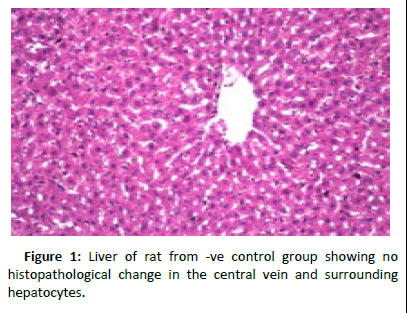
Figure 1: Liver of rat from -ve control group showing no histopathological change in the central vein and surrounding hepatocytes.
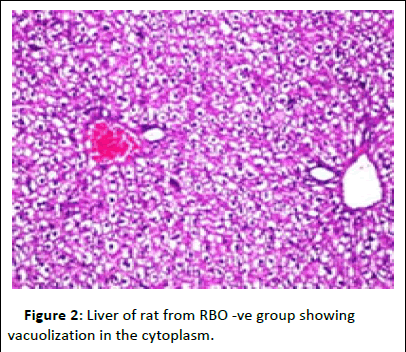
Figure 2: Liver of rat from RBO -ve group showing vacuolization in the cytoplasm.
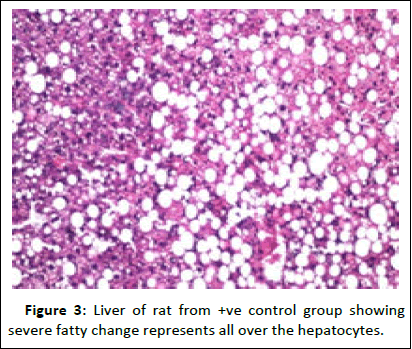
Figure 3: Liver of rat from +ve control group showing severe fatty change represents all over the hepatocytes.
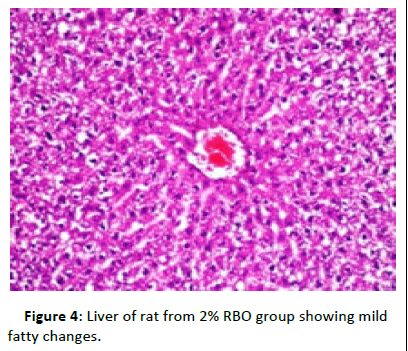
Figure 4: Liver of rat from 2% RBO group showing mild fatty changes.
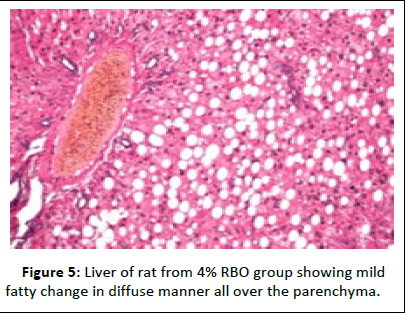
Figure 5: Liver of rat from 4% RBO group showing mild fatty change in diffuse manner all over the parenchyma.
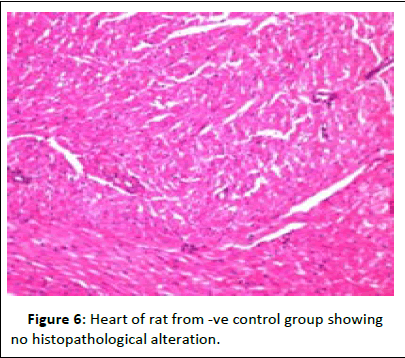
Figure 6: Heart of rat from -ve control group showing no histopathological alteration.
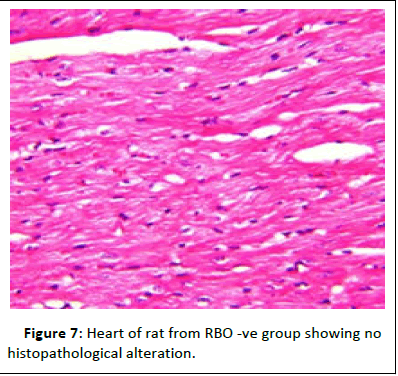
Figure 7: Heart of rat from RBO -ve group showing no histopathological alteration.
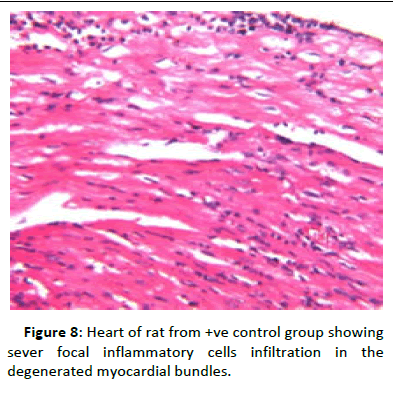
Figure 8: Heart of rat from +ve control group showing sever focal inflammatory cells infiltration in the degenerated myocardial bundles.
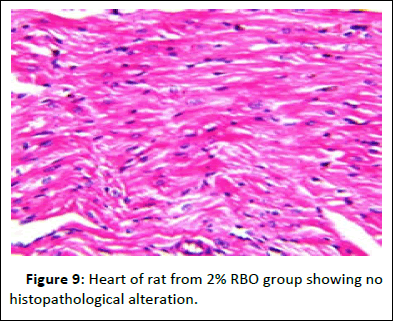
Figure 9: Heart of rat from 2% RBO group showing no histopathological alteration.
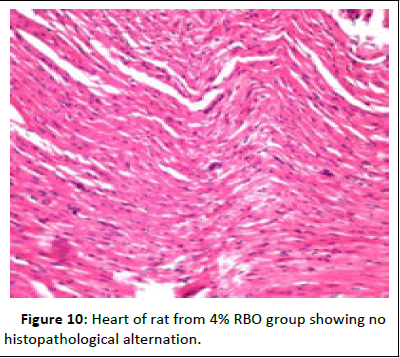
Figure 10: Heart of rat from 4% RBO group showing no histopathological alternation.
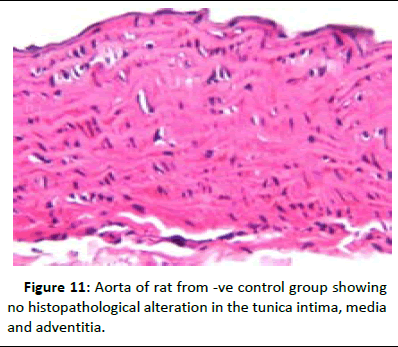
Figure 11: Aorta of rat from -ve control group showing no histopathological alteration in the tunica intima, media and adventitia.
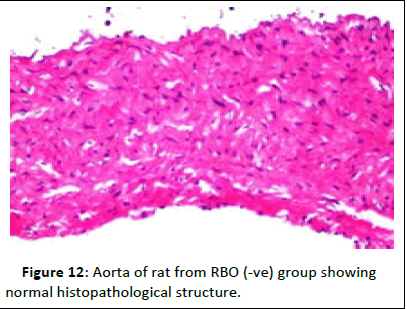
Figure 12: Aorta of rat from RBO (-ve) group showing normal histopathological structure.
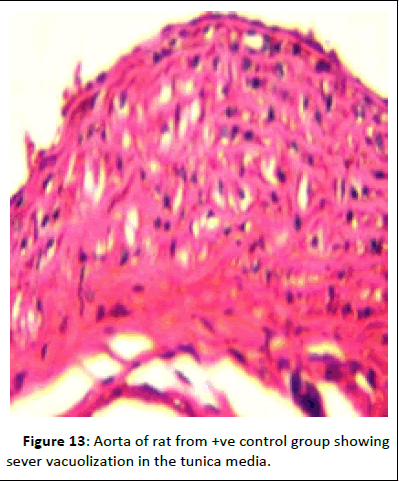
Figure 13: Aorta of rat from +ve control group showing sever vacuolization in the tunica media.
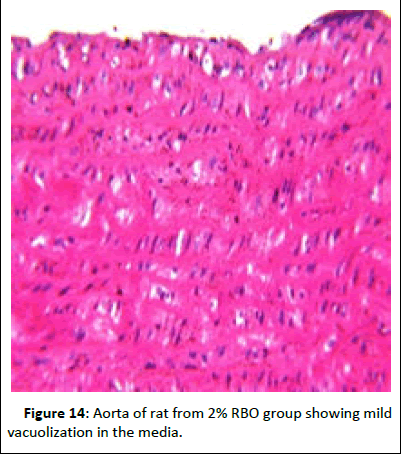
Figure 14: Aorta of rat from 2% RBO group showing mild vacuolization in the media.
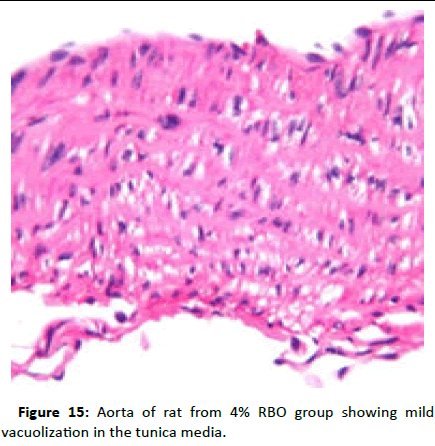
Figure 15: Aorta of rat from 4% RBO group showing mild vacuolization in the tunica media.
Discussion
Hypercholesterolemia is a disorder characterized by absence or mutation of LDL receptors causing severely elevated of LDL-c levels, risk of early myocardial infarction and death. Excessive LDL-c or VLDL production particularly are mainly responsible for hypercholesterolemia. Cardiovascular disease caused over 18,000,000 deaths in the world in 2005 and 44% of these cases of death occurred in age under 60 years. Data from the National Health and Nutrition Examination Survey, 2005-2008 showed 33.5% of US adults (≥ 20 y) have high LDL-C, but only 48.1% of them are treated. Also, it has been reported that 49.1% of the US population with TC ≥ 240 mg/dL are unaware of their condition. In fact, the diet composition may affect lipid and lipoprotein concentrations in the blood. However, the hypocholesterolemic properties of RBO in human and in animals were indicated in several studies.
Rice (Oryza sativa L.) is one of the most vital cereal crops worldwide and it is the staple food for about more than half of the world's population, it also is a staple food for the Egyptians. Rice bran oil rich in various phytochemical compounds such as phytosterols, sterol esters, triterpene alcohols, γ-oryzanol, tocopherols, tocotrienols and other phenolic compounds. γ- oryzanol is a unique component in RBO also its the major substance in it. Also, RBO has ideal fatty acid composition and high unsaponifiables level 3%-5%. Rice bran oil one of the highest quality vegetable oils in the world. RBO were demonstrated in many studies including its abilities in improving plasma lipid profile and reduce the atherogenic index, also it is decrease early atherosclerosis.
Our results indicated that the RBO caused significant improvement in total cholesterol, triglyceride and LDL-C and increased the HDL-C level. Many researches indicated that the hypocholesterolemic properties of RBO are not explained by its fatty acid composition only, but because it also has a high content of unsaponifiable components which mainly composed of phytosterols (γ-oryzanol), triterpene alcohols, tocopherols and tocotrienols. On the other hand, the lowering of cholesterol levels by rice bran may be attributed to the unsaponifiable fraction of rice bran oil, primarily phytosterol, tocols (vitamin E, including tocopherols and tocotrienols), c-oryzanol, triterpene alcohol, and other minor compounds. Also, Most, et al. reported that the reduction of cholesterol by RBO may due to its components, such as unsaponifiable compounds.
These findings were agreed with Kuriyan, et al. who reported that the use of RBO significantly reduced serum TC and TG levels. Also, Lai, et al. study, indicated that consumption of 18 g of RBO daily for 5 weeks can decrease total cholesterol levels and might decreased LDL concentrations in patients with T2DM. Zavoshy, et al. reported that the low calories diet with RBO decreased in TC, LDL and total cholesterol/HDL ratio significantly. Moreover, Shakib, et al. reported that the use of RBO with diet improve serum lipid levels and reduce the TC/ HDL-C ratio.
The results of the present study showed significant reduction in Atherogenic Coefficient (AC), Cardiac Risk Ratio (CRR), LDL-c to HDL-c ratio and Atherogenic Index of Plasma (AIP) of rats. Caused by RBO. These findings, in agreement with Chou, et al. who recommended that the RBO can improve blood lipid and reduce the Atherogenic Index (AI). Furthermore, Chithra, et al. reported that the RBO has an anti-atherogenic properties by modifying the lipid metabolism and up-regulating genes which involved in reverse cholesterol transport and antioxidative defense mechanism.
The results of the present study indicated that the HCD caused fatty liver in the liver of animals. Kwok, et al. reported that the development of fatty liver, an increased Nitric Oxide Synthase (NOS) activity and an elevated oxidative stress (as estimated by the attenuated levels of anti-oxidant enzymes) associated with HCD. The results of the present study indicated that the RBO protect the liver against the fatty liver changes and protect the heart and aorta of rats.
Conclusion
In conclusion, this study demonstrates that Rice Bran Oil (RBO) has significant hypocholesterolemic effects in rats fed a high cholesterol diet. RBO consumption led to a marked reduction in total cholesterol, triglycerides, LDL-C and VLDL, while enhancing the levels of HDL-C, which is beneficial for heart health. Additionally, RBO improved key cardiovascular risk markers, such as the Atherogenic Coefficient, Cardiac Risk Ratio and the LDL-C to HDL-C ratio. The study also showed that RBO helped counteract oxidative stress induced by the high cholesterol diet, as evidenced by lower serum Malondialdehyde (MDA) levels and elevated Glutathione S-Transferase (GST). Histopathological examination further indicated that RBO alleviated liver damage and improved the condition of the heart and aorta. These findings suggest that RBO is an effective natural agent in managing cholesterol levels and reducing the risk of cardiovascular diseases, supporting its potential as a dietary supplement for cardiovascular health.
References
- Roth GA, Fihn SD, Mokdad AH, Aekplakorn W, Hasegawa T, et al. (2011) High total serum cholesterol, medication coverage and therapeutic control: An analysis of national health examination survey data from eight countries. Bull World Health Organ 89:92-101
[Crossref] [Google Scholar] [PubMed]
- Adaramoye OA, Akanni OO (2014) Effects of methanol extract of breadfruit (Artocarpus altilis) on atherogenic indices and redox status of cellular system of hypercholesterolemic male rats. Adv Pharmacol Sci 2014:605425
[Crossref] [Google Scholar] [PubMed]
- Kusum R, Bommayya HP, Fayaz PP, Ramachandran HD (2011) Palm oil and rice bran oil: Current status and future prospects. Int J Plant Physiol Biochem 3:125-132
- Nagasaka R, Chotimarkorn C, Shafiqul IM, Hori M, Ozaki H, et al. (2007) Anti-inflammatory effects of hydroxycinnamic acid derivatives. Biochem Biophys Res Commun 358:615-619
[Crossref] [Google Scholar] [PubMed]
- Hatzidimitriou E, Nenadis N, Tsimidou MZ (2007) Changes in the catechin and epicatechin content of grape seeds on storage under different water activity (aw) conditions. Food Chem 105:1504-1511
- Reeves PG (1993) Purified diets for laboratory rodents: Final report of the American Institute of Nutrition ad hoc writing committee on the reformation of the AIN-76A rodent diet. J Nutr 123:1939-1951
- Yokozawa T, Cho EJ, Sasaki S, Satoh A, Okamoto T, et al. (2006) The protective role of Chinese prescription Kangen-karyu extract on diet-induced hypercholesterolemia in rats. Biol Pharm Bull 29:760-765
[Crossref] [Google Scholar] [PubMed]
- Fossati P, Prencipe L (1982) Serum triglycerides determined colorimetrically with an enzyme that produces hydrogen peroxide. Clin Chem 28:2077-2080
[Crossref] [Google Scholar] [PubMed]
- Friedewald WT, Levy RI, Fredrickson DS (1972) Estimation of the concentration of low-density lipoprotein cholesterol in plasma, without use of the preparative ultracentrifuge. Clin Chem 18:499-502
[Crossref] [Google Scholar] [PubMed]
- German Society for Clinical Chemistry (1972) Standard method for determination of Alkaline Phpsphatase (AP) activity. J Clin Chem Clin Biochem 10:290
Open Access Journals
- Aquaculture & Veterinary Science
- Chemistry & Chemical Sciences
- Clinical Sciences
- Engineering
- General Science
- Genetics & Molecular Biology
- Health Care & Nursing
- Immunology & Microbiology
- Materials Science
- Mathematics & Physics
- Medical Sciences
- Neurology & Psychiatry
- Oncology & Cancer Science
- Pharmaceutical Sciences